National Risk Management and Associates

  • Quote
  • Contact
  • Payment
  • Claims
  • Home
  • About
  • Personal
    • Wedding Insurance
    • Special Events Insurance
  • Business
  • Life and Health
  • Our Carriers
  • Resources
  • Blog

November 9, 2026 By Cendra Ray

Renter’s Insurance Guide 2022

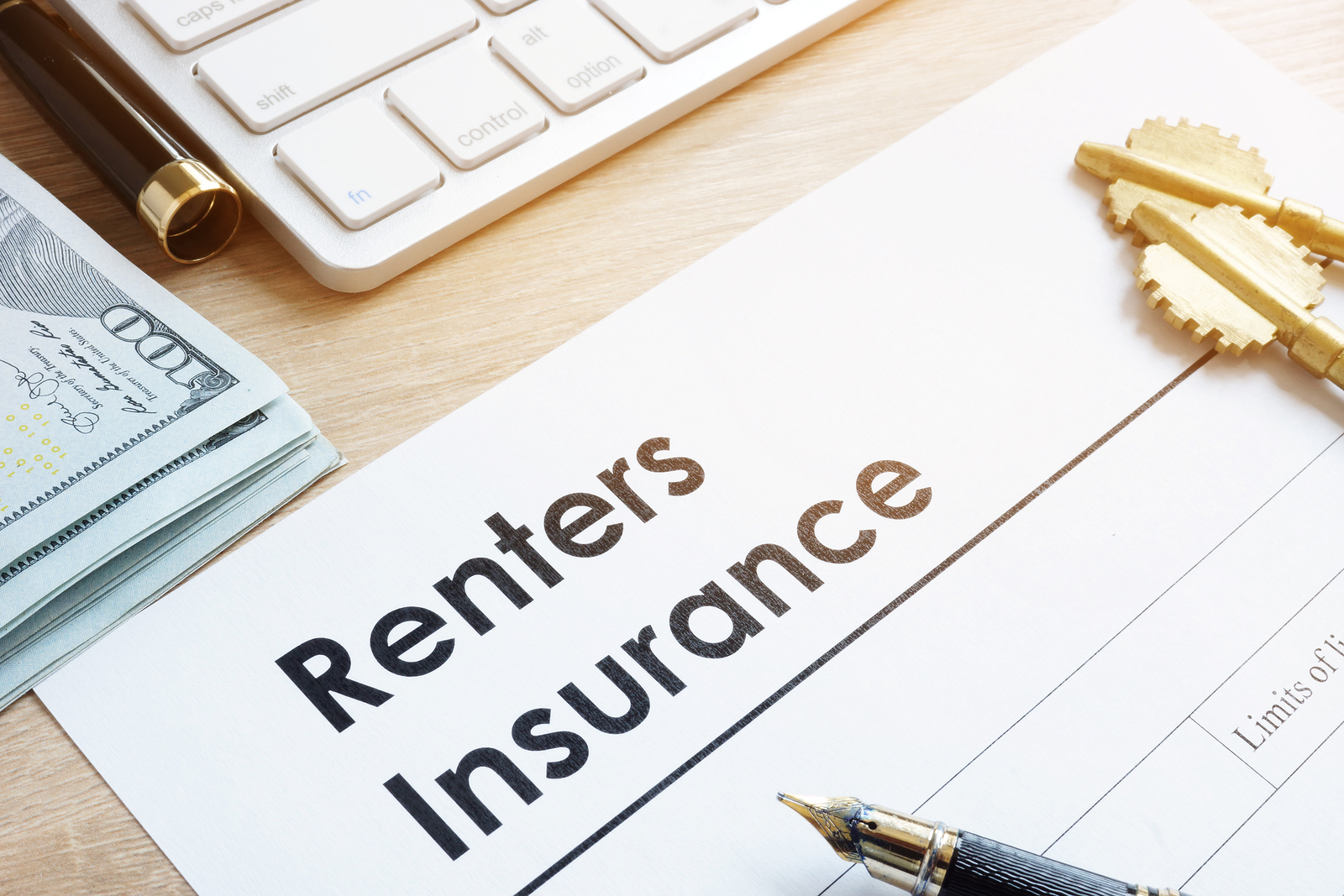
Renters InsuranceCourtesy of iii.org

If you rent a house or apartment and experience a fire or other disaster, your landlord’s insurance will only cover the costs of repairing the building. To financially protect yourself you will need to buy renters or tenants insurance.


Renters insurance protections

Like homeowners insurance, renters insurance includes three key types of financial protection:

  • Coverage for personal possessions
  • Liability protection
  • Additional living expenses (ALE)

The big difference is that renters insurance doesn’t cover the building or structure of the apartment—that’s the landlord’s responsibility.

The following questions will help you choose the right coverage when you are shopping around for renters insurance or discussing your needs with an insurance professional.

Coverage for personal possessions

Coverage for your personal property is a key component of renters coverage, protecting you from theft, fire and a host of other unfortunate events.

1. How much insurance should I buy?

Make sure you have enough insurance to replace all of your personal possessions in the event of a burglary, fire or other covered disaster. The easiest way to determine the value of all your personal possessions is to create a home inventory—a detailed list of all of your belongings along with their estimated value.

2. Should I choose replacement cost or actual cash value coverage?

Actual cash value policies include a deduction for depreciation (that is, the idea that items lose value over time). Replacement cost coverage is pricier but can be well worth the extra expense if your belongings are damaged or destroyed (think about how much you’d get for your TV used versus how much it would actually cost to replace).

3. What disasters are—and are not—covered?

Renters insurance covers you against losses from fire or smoke, lightning, vandalism, theft, explosion, windstorm and certain types of water damage (such as from a burst pipe or when the tenant upstairs leaves the water running in the bathtub and floods your apartment).

Like standard homeowners policies, most renters insurance policies do not cover floods or earthquakes. Flood coverage is available from the National Flood Insurance Program and a few private insurers. You can get earthquake insurance as a separate policy or have it added as an endorsement to your renters policy, depending on where you live.

4. What is my deductible, and how does it work?

A deductible is an amount of money you responsible for paying before your insurance coverage. For example, if you have a $500 deductible and a fire destroys $5000 worth of furniture, the first $500 is your responsibility and your insurance company will cover $4500.

Renters insurance deductibles are generally specified as a dollar amount, which can be found on the Declarations page of your policy. In general, the larger the deductible, the lower your insurance premium.

5. What is a “floater” and do I need one?

A floater is a separate policy that provides additional coverage for more costly valuables if they are lost or stolen. If you have expensive jewelry, furs, collectibles, sports equipment or musical instruments, consider adding a floater to your policy to protect against their loss.

6. Am I covered if I am traveling or away from home?

Most renters polices include what is called off-premises coverage, which means belongings that are outside of your home are covered against the same disasters listed in your policy. For example, property stolen from your car or a hotel room while you’re traveling would be protected.

Liability protection

7. What is liability insurance?

Renters insurance provides liability protection that covers you against lawsuits for bodily injury or property damage done by you, your family members and even your pets. This coverage pays for the cost of defending you in court, up to the limit of your policy.

Your renters policy should also include no-fault medical coverage as part of the liability protection. Medical payments coverage allows someone who gets injured on your property to simply submit his or her medical bills directly to your insurance company so the bills can be paid without resorting to a lawsuit.

8. Do I have enough liability insurance?

Make sure the amount of liability coverage provided by your policy is sufficient to protect your financial and other material assets in the event of a lawsuit.

9. Do I need an umbrella liability policy?

If you need a larger amount of liability protection, consider purchasing a personal umbrella liability policy. An umbrella policy kicks in when you reach the limit on the underlying liability coverage provided by your renters or auto policy. It will also cover you for things such as libel and slander.

Additional living expenses

Additional living expenses (ALE) coverage provides coverage if your home is destroyed by an insured disaster and you need to live elsewhere for a time.

9. What does ALE cover?

The additional living expenses portion of your rental insurance policy pays for hotel bills, temporary rentals, restaurant meals and other expenses you incur while your rental home is being repaired or rebuilt. Essentially, it covers the expenses you would not have to incur if you had your usual roof over your head.

10. How much does ALE cover?

Most policies will reimburse you the full difference between your additional living expenses and your normal living expenses; however, there are generally limits as to the total amount the insurer will pay or time limits specifying how long you’re eligible for the ALE payments. Make sure you’re comfortable with the limits of the policy you choose.

Multiple policy and other discounts

10. What types of discounts are offered on renters insurance?

Insurance companies often offer discounts on renters insurance if you have another policy with them—for example, car insurance or business insurance.

You may also get a discount if you:

  • Have a security system
  • Use smoke detectors
  • Use deadbolt locks
  • Have good credit
  • Stay with the same insurer
  • Are over 55 years old

Discounts may vary widely by insurance company and by state, so review your options carefully. As always, the same rule-of-thumb applies: shop around for the best deal.


Filed Under: Renters Insurance

August 24, 2026 By Cendra Ray

Hurricane Season Coming Soon, Renters Guide

Renters Insurance Coverage TipsCourtesy of iii.org

RENTERS INSURANCE

If you rent, rather than own, your home, have you bought renters insurance?

While your landlord may provide insurance coverage for the structure of your home, as a renter you are responsible for your own belongings. Renters insurance covers the loss or destruction of your possessions if they are damaged by a hurricane or other disaster listed in the policy. A standard renters insurance policy also includes ALE coverage if you are unable to live in your house or apartment due to damage caused by a hurricane.

Flood insurance is also available for renters. However, as for homeowners, the NFIP flood insurance policies for renters do not include ALE coverage.

Don’t wait to review and update your insurance until after you have a loss—there are few things worse than finding out you did not have the right kind of coverage when you are already filing a claim. So before hurricane season kicks off, make sure you’ve reviewed home or renters insurance policy with this Hurricane Season Insurance Checklist. Call your Insurance Professional if you have any questions. They can provide guidance on how to get the insurance protection that’s best for your needs and budget.

For information on how to make your home more disaster resistant, go to the Insurance Institute for Business & Home Safety (IBHS). For information on evacuation, go to the Federal Alliance for Safe Homes (FLASH).

Filed Under: Insurance, Renters Insurance

January 26, 2025 By Cendra Ray

3 Reasons to Create a Home Inventory

Home InventoryCourtesy of iii.org

Creating and updating an inventory of your personal possessions is one of the best ways to make the most of your homeowners or renters insurance, and makes filing a claim easier and more efficient.

A home inventory is simply a list of your personal possessions along with their estimated financial value. You can create a home inventory in a simple, low-tech manner by writing down everything in a notebook and keeping receipts in a folder. Or you can take advantage of technology and use a digital camera or smart phone or app to make your record.

No matter how you choose to do it, the important thing is to take action. An up-to-date home inventory will:

  1. Help you purchase the right amount and type of insurance. Having an accurate list of all your possessions helps you to have a more productive conversation with your insurance professional when making decisions about homeowners or renters insurance coverage. After all, if you don’t know what you have, how can you insure it adequately?
  2. Make filing a claim as simple as possible. Most people cannot remember what they had for breakfast much less recall the contents of their attic, kitchen cabinets or downstairs closet after a fire, storm or other catastrophe. Disasters are scary and stressful, which can make trying to list damaged property for a claims form even more challenging. Having your belongings already documented in your home inventory can be a huge relief at times like these.
  3. Substantiate financial losses for tax purposes or when applying for financial assistance. Following a catastrophe, the only way to determine whether you qualify for a tax break or disaster assistance is to substantiate your financial losses. A well-organized home inventory can be an extremely useful tool in this process.

Next steps: Use these tips to get started on your home inventory.  

Filed Under: Home Insurance, Homeowners Insurance, Insurance News, Renters Insurance

June 23, 2024 By Cendra Ray

Hurricane Checklist for Renters

Renters Insurance Coverage TipsCourtesy of iii.org

RENTERS INSURANCE

If you rent, rather than own, your home, have you bought renters insurance?

While your landlord may provide insurance coverage for the structure of your home, as a renter you are responsible for your own belongings. Renters insurance covers the loss or destruction of your possessions if they are damaged by a hurricane or other disaster listed in the policy. A standard renters insurance policy also includes ALE coverage if you are unable to live in your house or apartment due to damage caused by a hurricane.

Flood insurance is also available for renters. However, as for homeowners, the NFIP flood insurance policies for renters do not include ALE coverage.

Don’t wait to review and update your insurance until after you have a loss—there are few things worse than finding out you did not have the right kind of coverage when you are already filing a claim. So before hurricane season kicks off, make sure you’ve reviewed home or renters insurance policy with this Hurricane Season Insurance Checklist. Call your Insurance Professional if you have any questions. They can provide guidance on how to get the insurance protection that’s best for your needs and budget.

For information on how to make your home more disaster resistant, go to the Insurance Institute for Business & Home Safety (IBHS). For information on evacuation, go to the Federal Alliance for Safe Homes (FLASH).

Filed Under: Insurance News, Renters Insurance

September 30, 2018 By Cendra Ray

The Low-Down on Renters Insurance

Courtesy of iii.org

Hey guys, I know you’re busy having fun watching football, but it’s time for us to have a talk about renters insurance. Why? Because the I.I.I. found that only 37 percent of renters have renters insurance. Which is bad, because renters insurance is important and good.

One of the most important things renters insurance covers is damage to your personal property. Your landlord’s insurance probably doesn’t cover any of your personal belongings if a covered loss happens to the apartment.

(Covered losses usually include fire, water damage from an overflowing sink, theft, vandalism, and a few other things. But be sure to talk to an agent and read your policy because different companies often vary in their wording.)

It’s important because you own things

The first objection I often hear about renters insurance is “Lucian, I don’t need it because I don’t own a lot of stuff.” Yes, we’re all about minimalist Instagram chic – in theory. But in practice, we own a lot of stuff, because we’re human beings who need clothes and dishes and sometimes we even own a couch.

Think about clothing for a minute. Unless you live by Miami Beach and only need a bathing suit, you own more than one set of clothes. A few pairs of pants. Blouses. Underwear (presumably). Maybe you own a suit or nice dress for work. If you live up north, you probably also have an entire winter wardrobe.

Now imagine you lost all your clothes in a fire. It could cost you hundreds, if not thousands of dollars to replace them. Because you own a lot of clothes.

Nothing is free – especially not replacing all your stuff

Another objection I often hear is “Lucian, won’t I just be giving those big insurance companies free money if nothing bad happens to my stuff?”

First, premiums are often pretty reasonable. The most I’ve ever paid for renters insurance was around $25 a month, and that was in a part of New York City where I was still probably getting a bargain. Some of the new app-based companies charge premiums as low as $5 a month. Your budget won’t hate you for that kind of expense.

Besides, no one ever says “at last, I can finally cash in on those insurance premiums I’ve been paying!” after their apartment building burns down and they lose everything.

Which leads me to my second point: an intangible value of insurance is peace of mind. People like to know that they don’t have to spend all their disposable income replacing everything they own. Odds are, you’re also one of those people.

Like life itself, renters insurance is about more than just the things you own

But let’s pretend for a minute you don’t actually own any stuff. Renters insurance also usually covers:

  • Your liability expenses if someone gets hurt in your apartment. Imagine someone is over at your apartment that has no furniture in it because you don’t own any stuff. Now imagine that someone gets hurt after slipping on your uncarpeted tiled floor because you don’t own carpets and they sue you. Your renters insurance will probably cover some legal costs. And even if they don’t sue you, your insurance can cover certain medical expenses for your injured guest.
  • Increased living expenses. Unfortunately, this doesn’t mean your insurer will cover your rent increase. But it does mean that if a covered loss (think: apartment fire) makes your apartment uninhabitable, your policy could reimburse you for food and temporary housing. You don’t want to be that person without renters insurance standing outside their burning apartment building in 20-degree January weather with no place to go.

It’s really easy to buy

We’re all busy, but applying for renters insurance takes maybe 15 minutes, tops. Many companies let you apply via an app, so while your train is hopelessly delayed you can use that time to protect yourself and your stuff. That way, if your apartment building catches fire while you’re at work, you can rest (relatively) easy knowing that you’ll have help buying replacement stuff and having a place to stay while you find a new apartment – for about the price of a coffee or four a month.

Seriously, get renters insurance.

Filed Under: Renters Insurance

Quick Contact

(407) 767-2950

Business Hours

Monday – Friday: 9 AM- 5 PM


  • Privacy Policy
  • Accessibility statement

24 Hour Hotline: (407) 415-8528

National Risk Management & Associates
220 Magnolia Avenue
Sanford, FL 32771
Phone: (407) 767-2950


Designed by iWebResults

Copyright 2026 National Risk Management, All Rights reserved